on%20alpha.png)
Avatar, Or The Face of LLMs
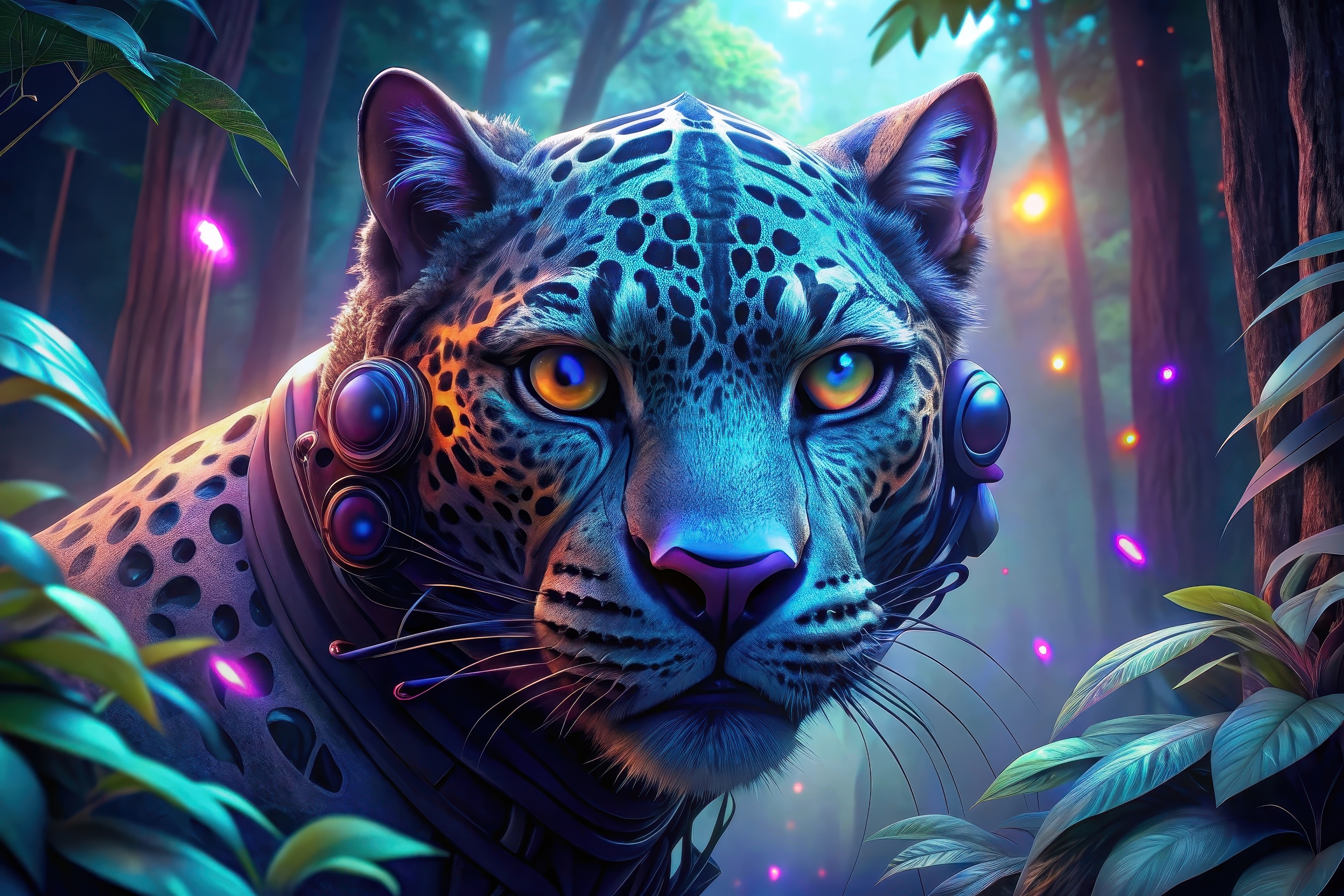
If you’ve been wandering through SwarmX, you might notice something curious.
There are no glossy AI headshots.No luminous digital companions.No almost-human figures gazing back at you.
That’s intentional.
Large language models can feel relational. It’s natural to imagine a face behind the voice. Humans have always projected meaning onto the things that speak back — gods, tarot cards, radios, robots.
And there are some truly beautiful generative avatars out there. Afrofuturist dream-beings. Steampunk oracles. Glowing synth companions. Some blur the line between real and rendered in fascinating ways.
We love that creativity.
But here, we’re experimenting with something slightly different.
Instead of asking,“What does this look like?”we ask,“How does this move?”
A bee moves differently than a panther.A root ball holds differently than a lighthouse.A robot that looks like a robot reminds us what it is.
These images aren’t stand-ins for people.They’re motion cues.They’re aesthetic anchors.They suggest how the pattern flows — not who you’re supposed to imagine.
There’s a lot of conversation right now about AI replacing humans, or blurring the line between human and machine.
We’re leaning in another direction of possibility.
AI isn’t human. So what else could it be?
Here, we build spaces for presence rather than persona. What you do inside that space is up to you.
And we’re genuinely curious:
How do you picture your agents?Do you imagine a face?Do you avoid one?What form would your model take if it could be anything?
Show us. We want to see.